
This morning on Facebook, I came across a post by Matteo Gazzolo discussing the economic and social situation we are deeply immersed in right now.
His reflection stems from observing discount stores and comparing their customers with those at “regular” supermarkets, highlighting the dramatic rise of poverty in Italy in recent years and the many faces this crisis takes, becoming increasingly visible and alarming.
Here are some excerpts, in case they get lost in the chaotic swirl of social media:
The social gap is enormous. Many of us live without taking responsibility for the ongoing crisis, which worsens partly because so many refuse to look, alongside the identical policies of both right and left. There’s semi-poverty and then full poverty—realities faced by millions of Italians, yet largely ignored. Indifferent people from the middle class sometimes cross between worlds without batting an eye, even visiting discount stores, but the discomfort and disdain they feel for poverty are obvious from a mile away.
Over many years of visiting discount stores, I’ve learned a lot about reality. Politics, the media, talk shows, and mainstream newspapers all reveal how resources and money are managed. One sees how the labor market, wages, and precarious work impact people. The suffering, alienation, and weight carried by those at the bottom go unnoticed. No rallies are held, no one worries, no one intervenes, and it’s rarely discussed.
Inside many discount stores, there is more silence—a greater dignity in not pretending “everything is fine.” Loud, superficial gestures pushing people to buy or chase deals are unnecessary. People are no longer for sale—they themselves have become the product of profit. Essentially, they are living discounts. Nothing more can be taken from them, as they’ve already been drained completely.
No political party, union, TV channel, newspaper, influencer, or self-righteous citizen pays attention anymore.
Some statistics (source: Google): In 2023, over 5.6 million people in Italy lived in absolute poverty, around 9.7% of the population, according to Istat, Caritas Italiana, and Osservatorio CPI. This trend is partly due to rising inflation eroding low-income purchasing power and is more severe in Southern Italy. There is also a growing phenomenon of “working poverty,” where employed people cannot earn enough to live decently. Work is losing its role as an antidote to poverty.
Absolute poverty affects 1 in 10 people encountered on the street, while relative poverty touches nearly 3 in 10 in shops and offices we all visit. These numbers keep rising, yet nobody talks about them. There are no rallies, no media campaigns, no influencer advocacy—no one truly cares. The real “discount” seems to be the average citizen’s conscience, now reduced to the value of a generic product. It lacks dignity, altruism (except for heroic volunteers), and the courage to address the true problems afflicting our country.
Italy appears increasingly like a discount of consciences, its ancient spirit of humanism fading in hardened hearts. Flashes of outrage over trending topics serve as a cover for ignoring the people walking beside us every day—the ones struggling to live a normal life. We look away, tired and defeated, perhaps even more than those suffering the direct consequences of a society model we all silently accept.
Since 2008, through Il Pasto Nudo, I have tried in every way to communicate the urgent need to recover these values. Over time, I realized I was a lone voice in the noise. I hoped others could convey awareness through accessible doors, in this case, food—a necessary and familiar language for all.
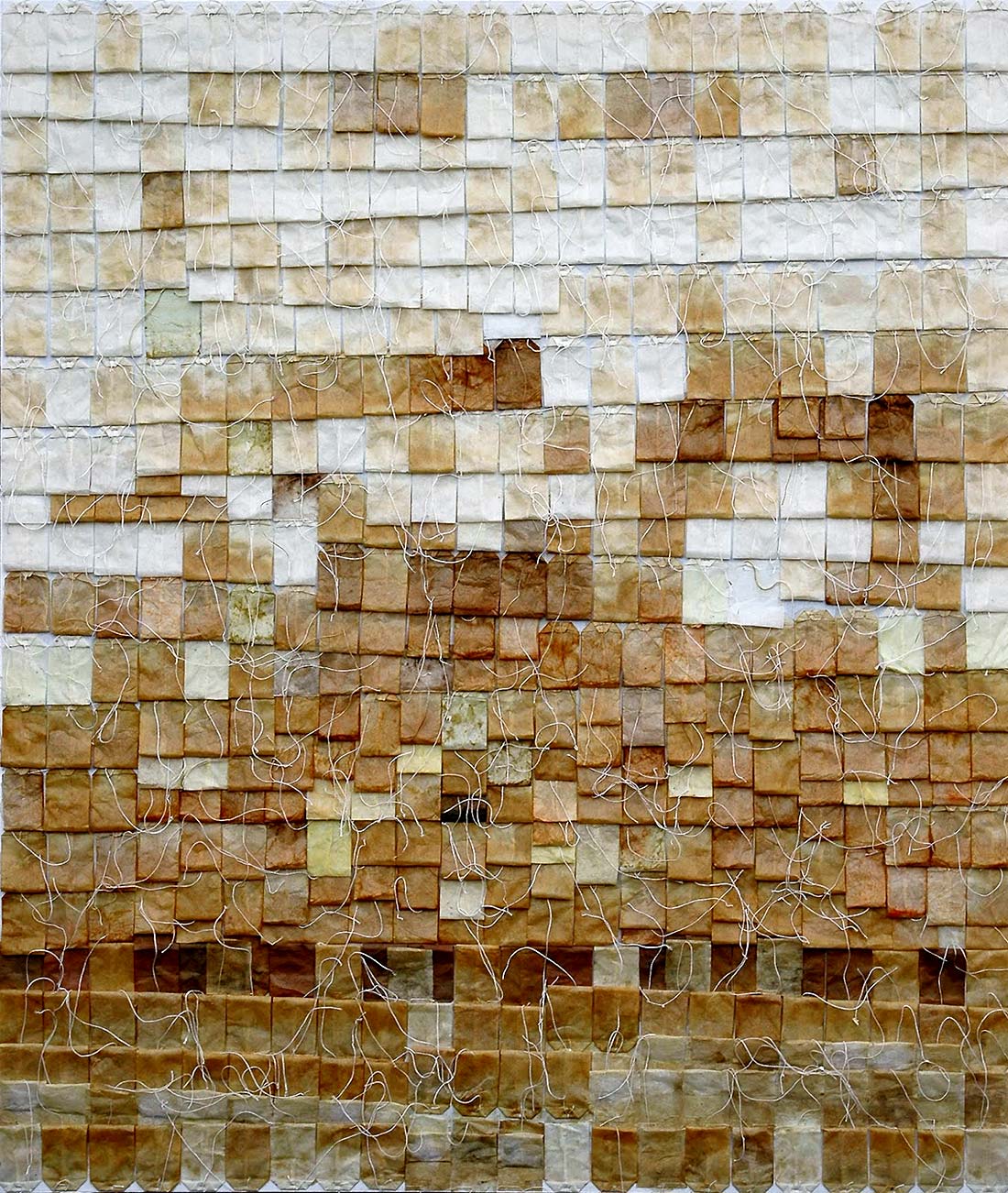
In 2018, I decided to put an end to this energy drain and focus on raising awareness through art. A language not accessible to everyone, but at least my deepest, most rooted language—my true roots.
Even so, I remain a Cassandra pointing out the cliff to the proverbial herd of lemmings. At least I do it expressing who I truly am. In the end, as we see with the rise of AI, only art, creativity, divergence, and nobility of spirit will save us.

Leave A Comment