

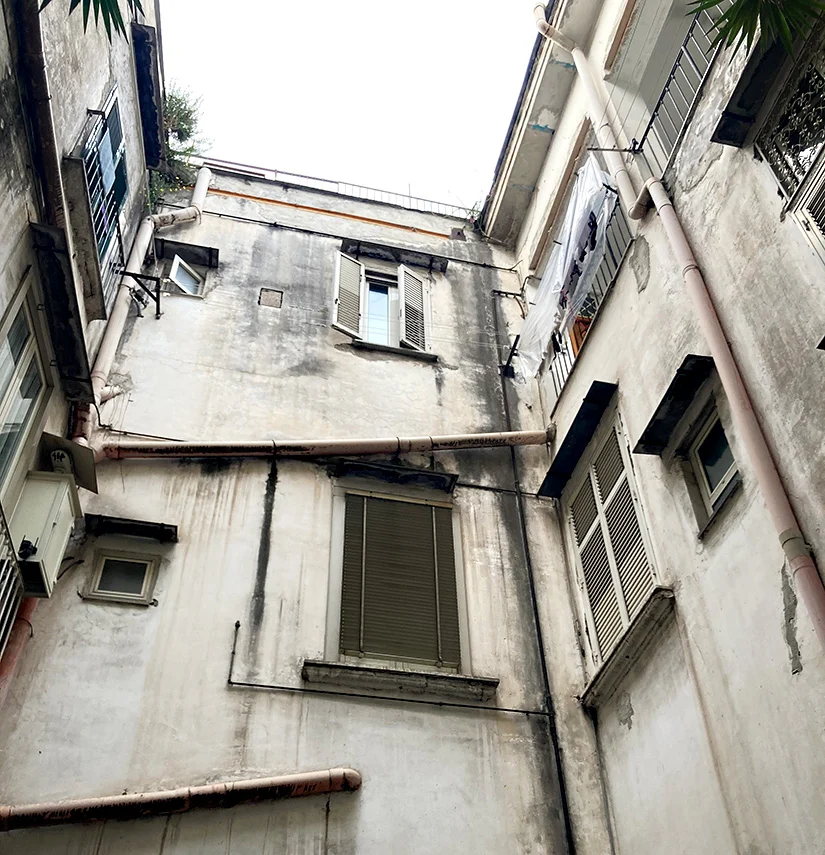
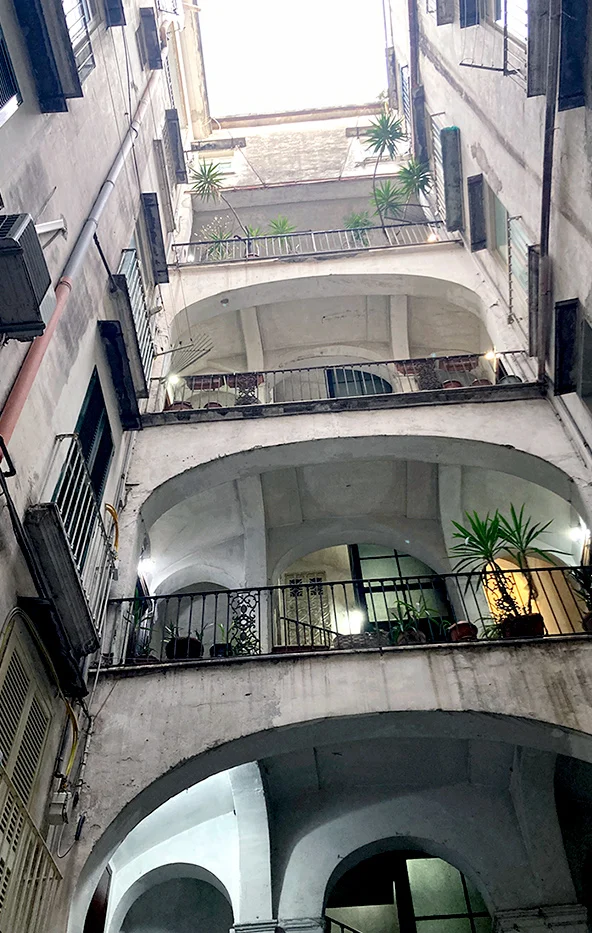
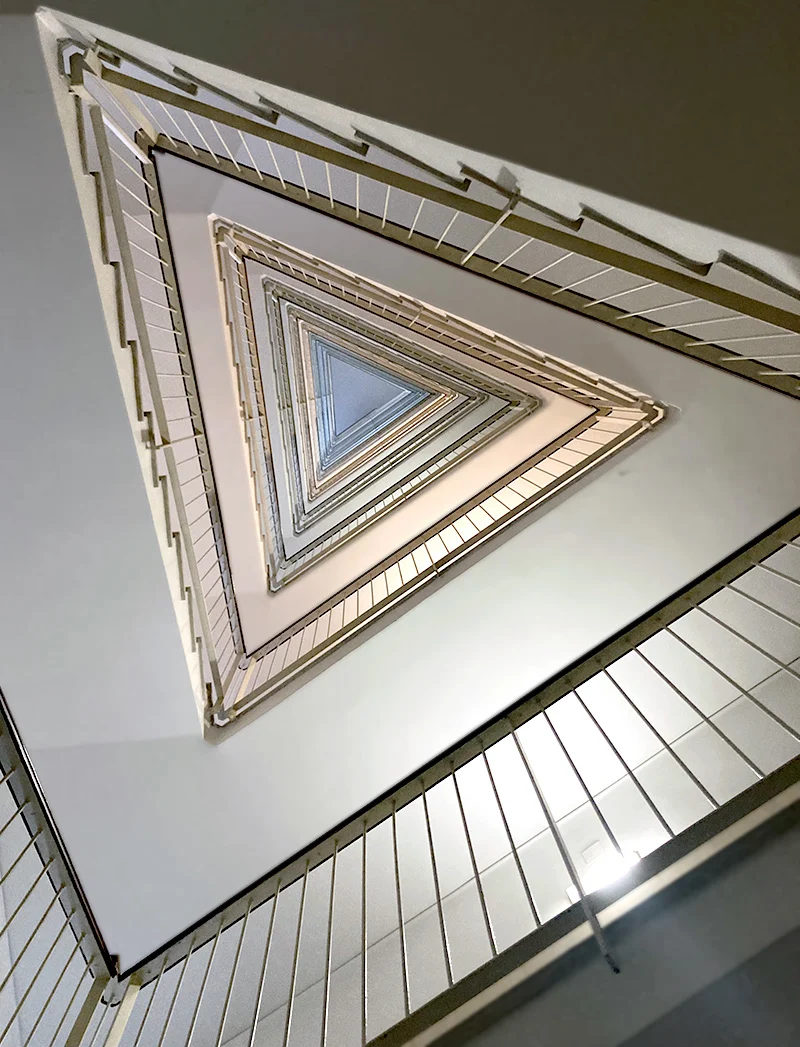
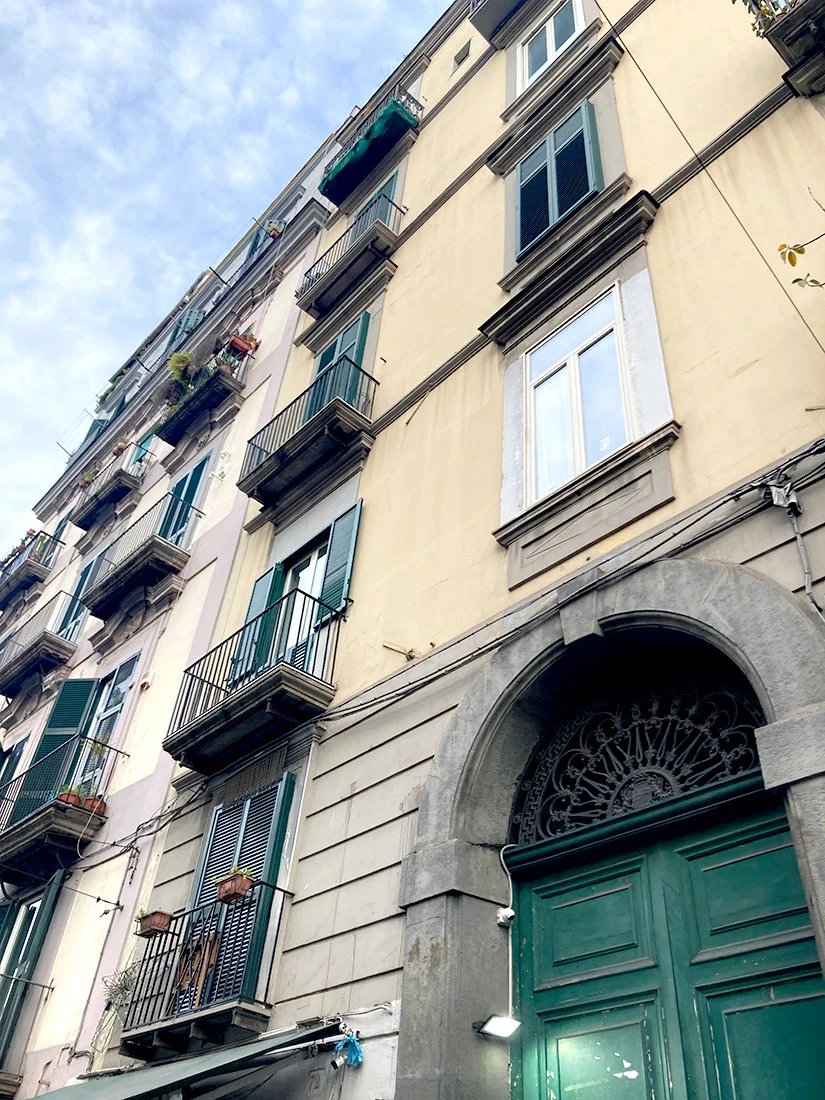
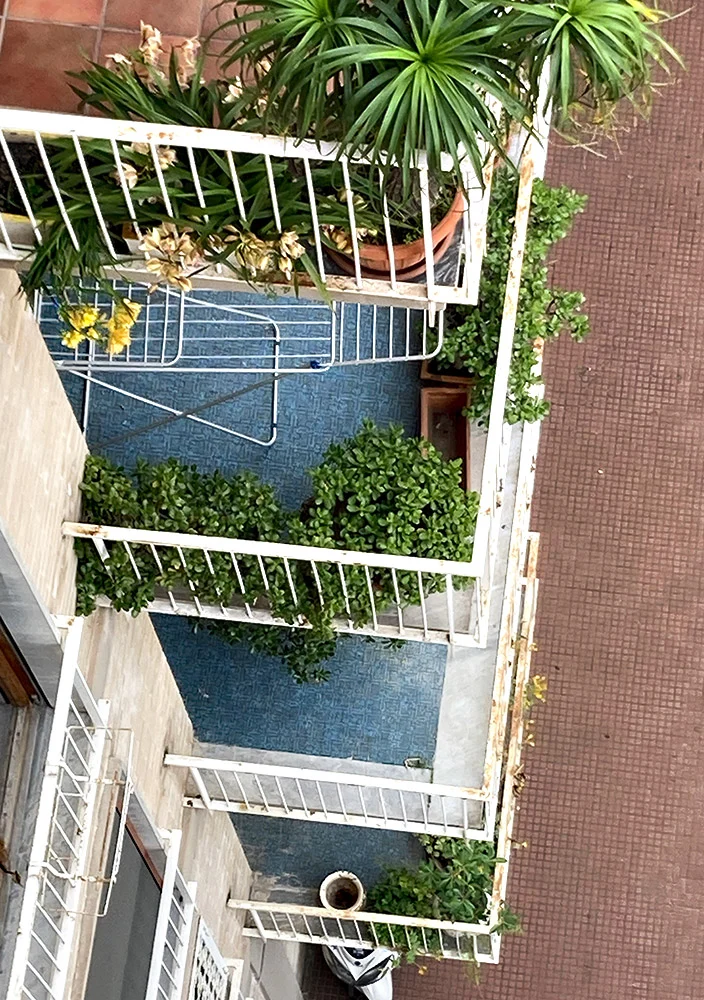
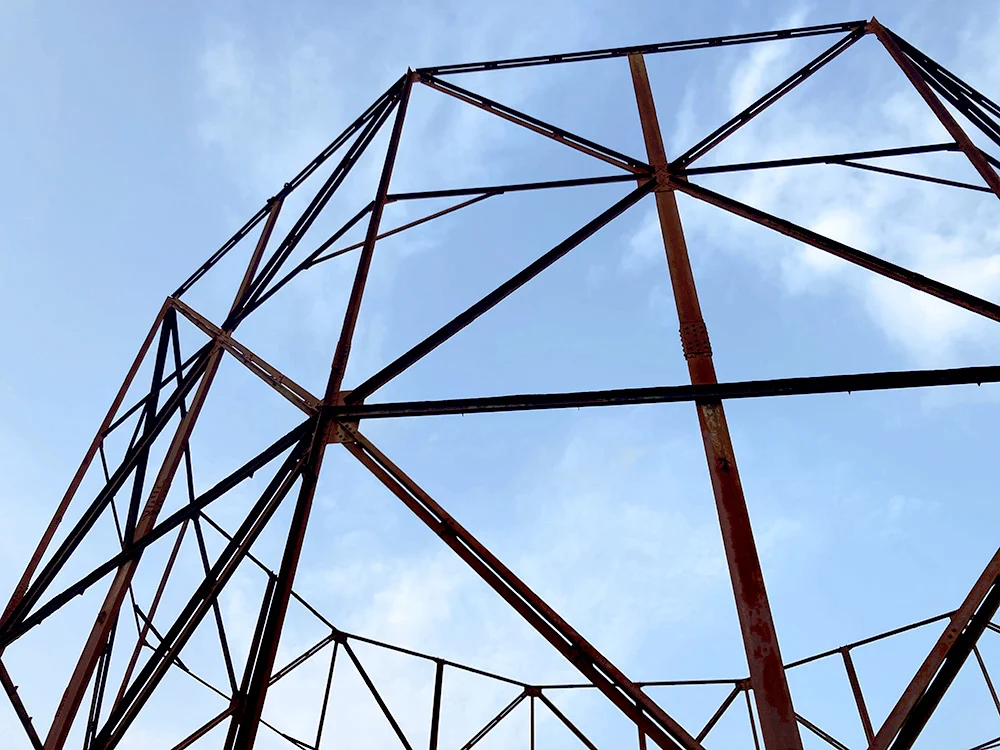
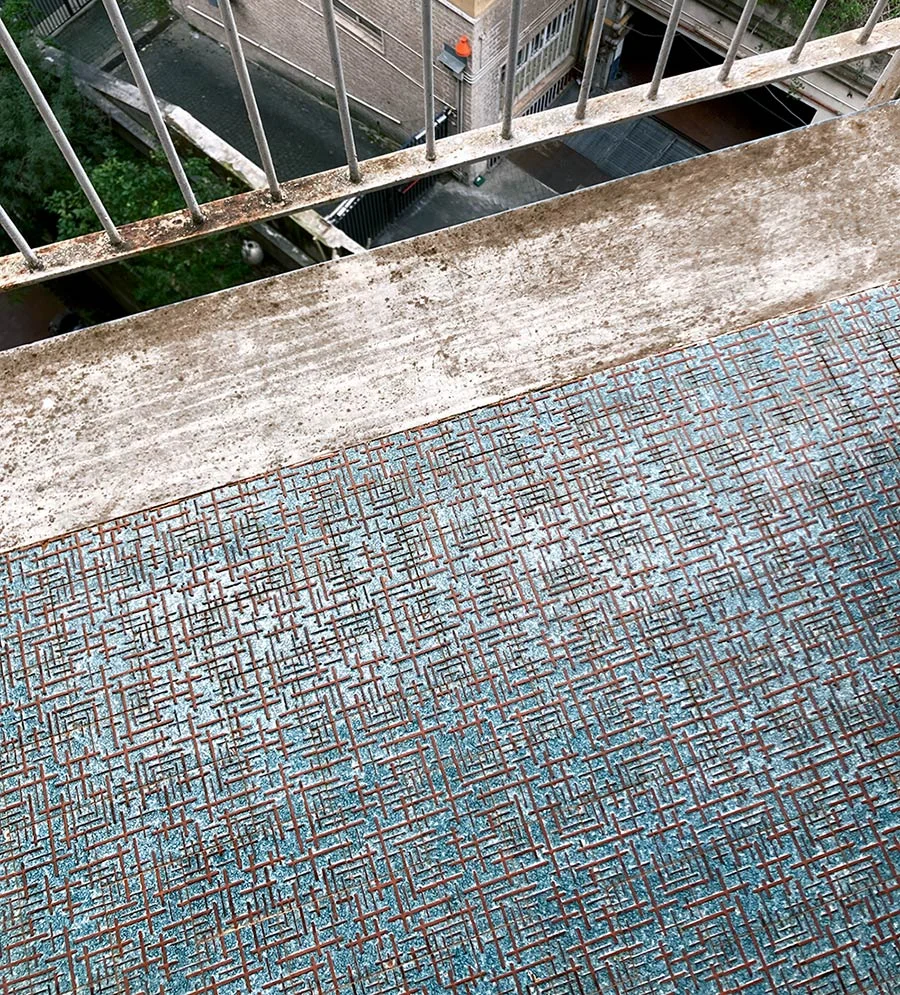
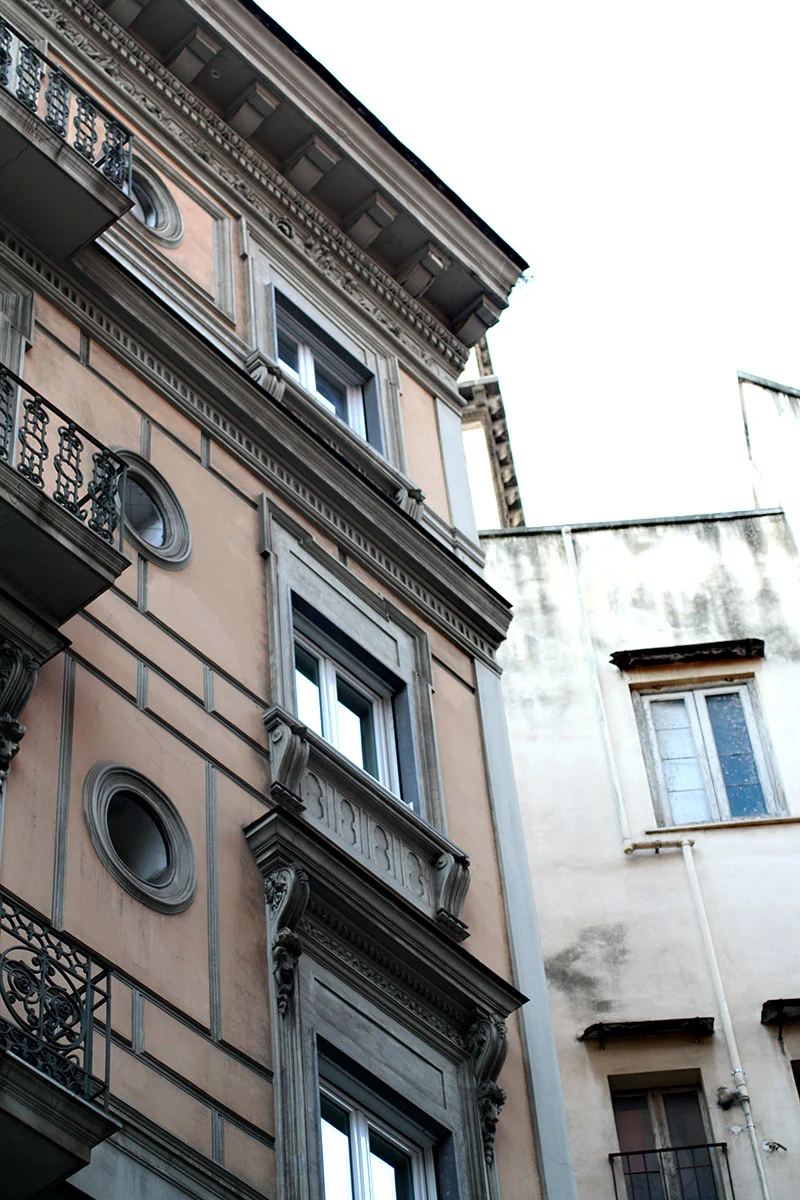
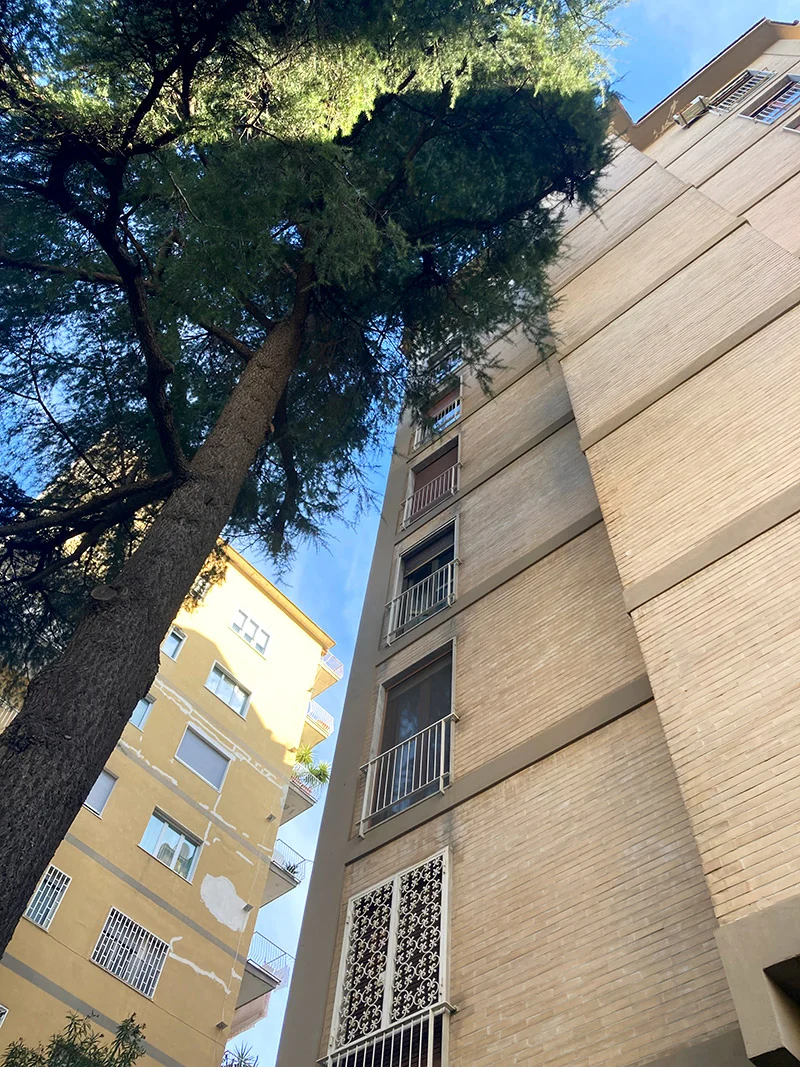
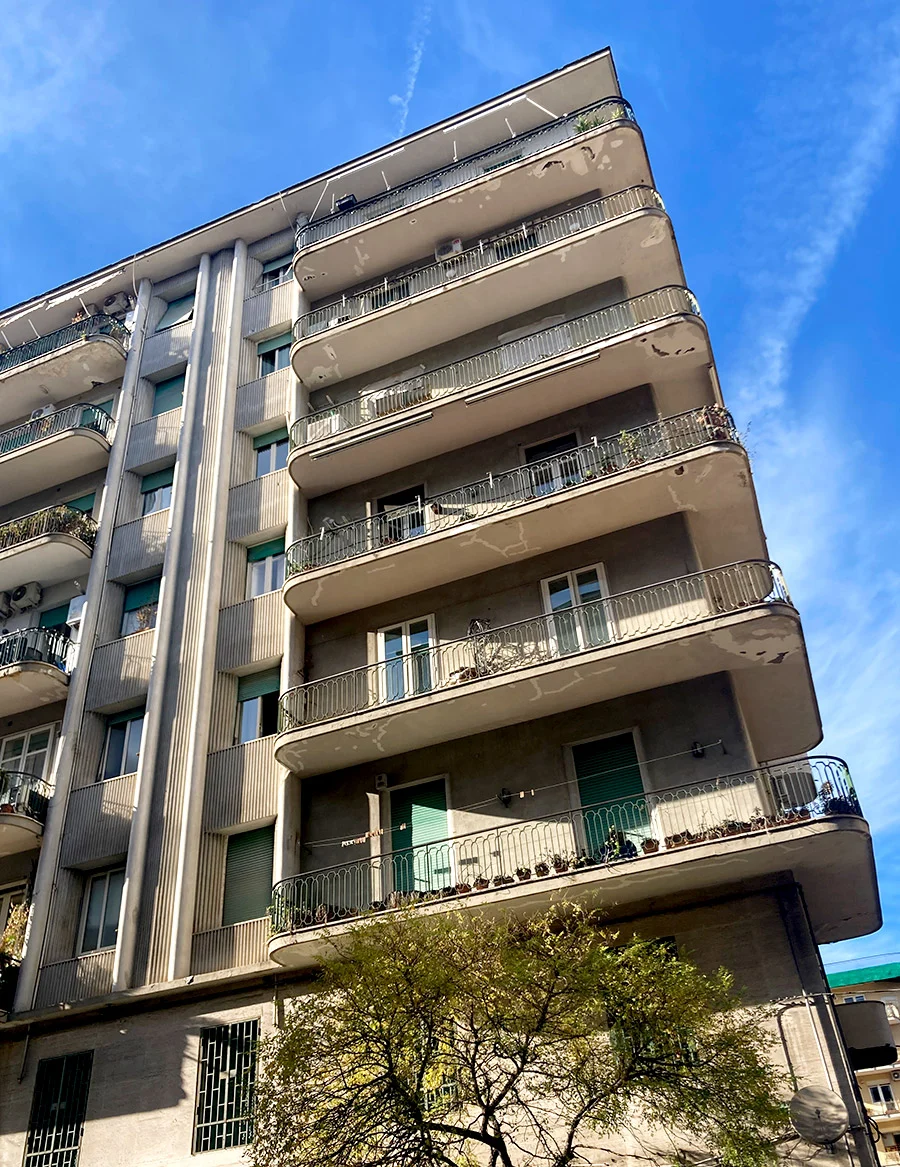
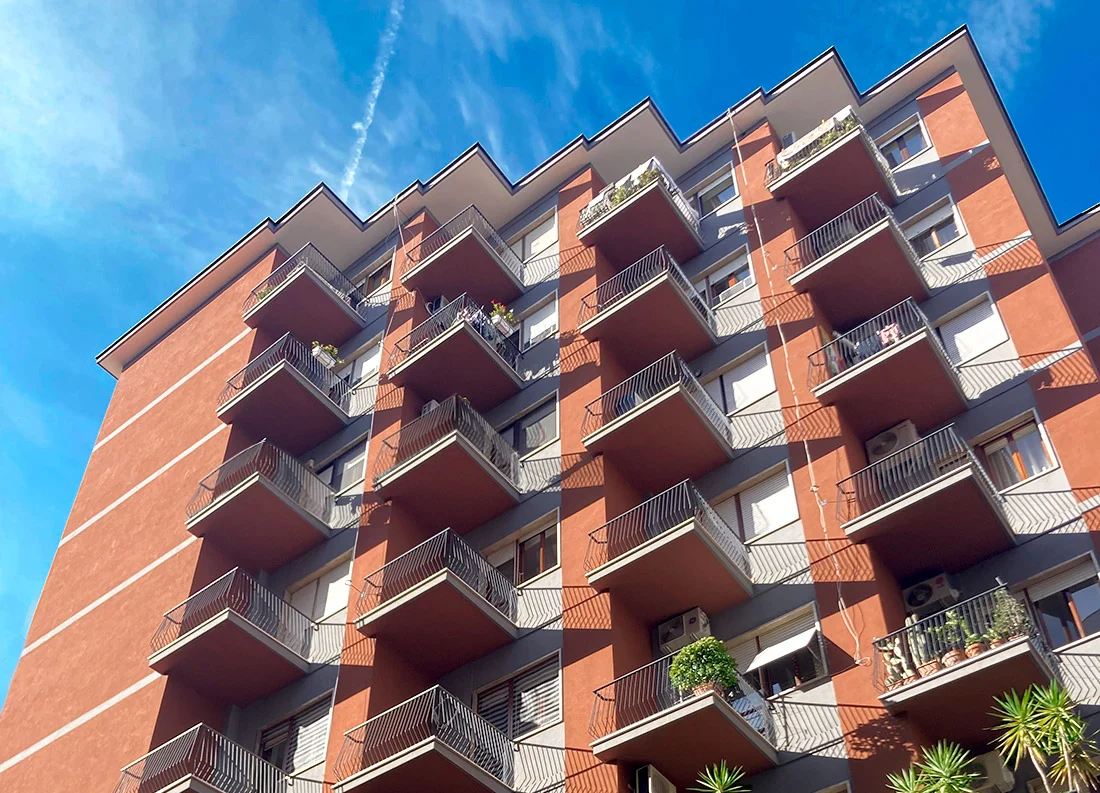
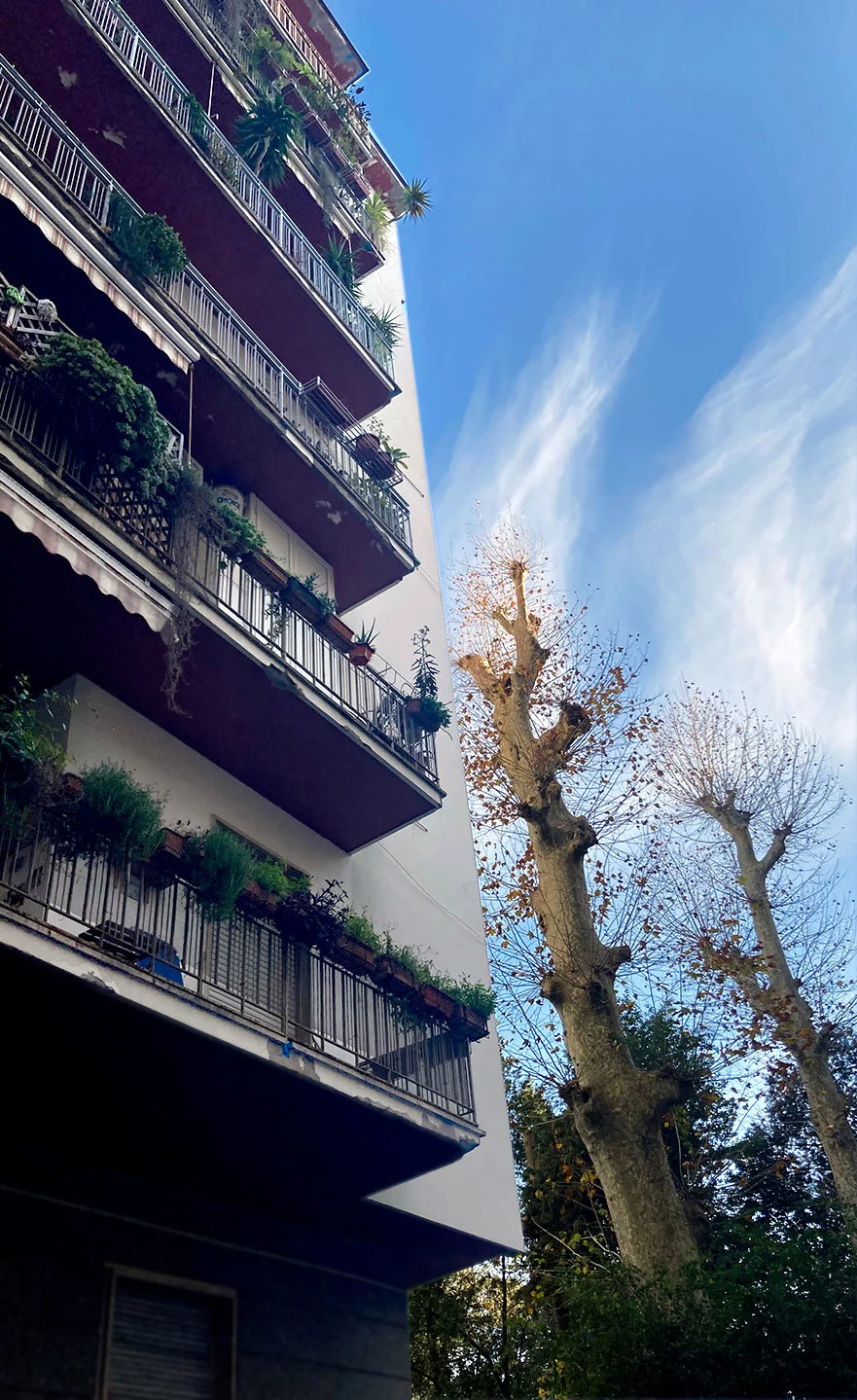
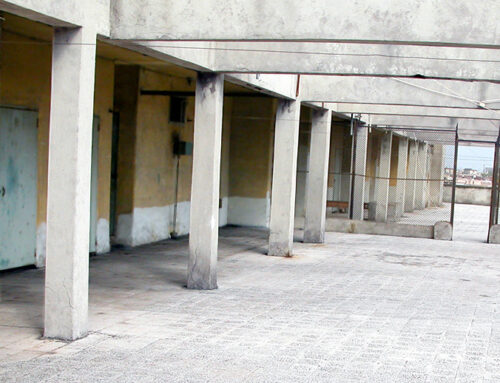
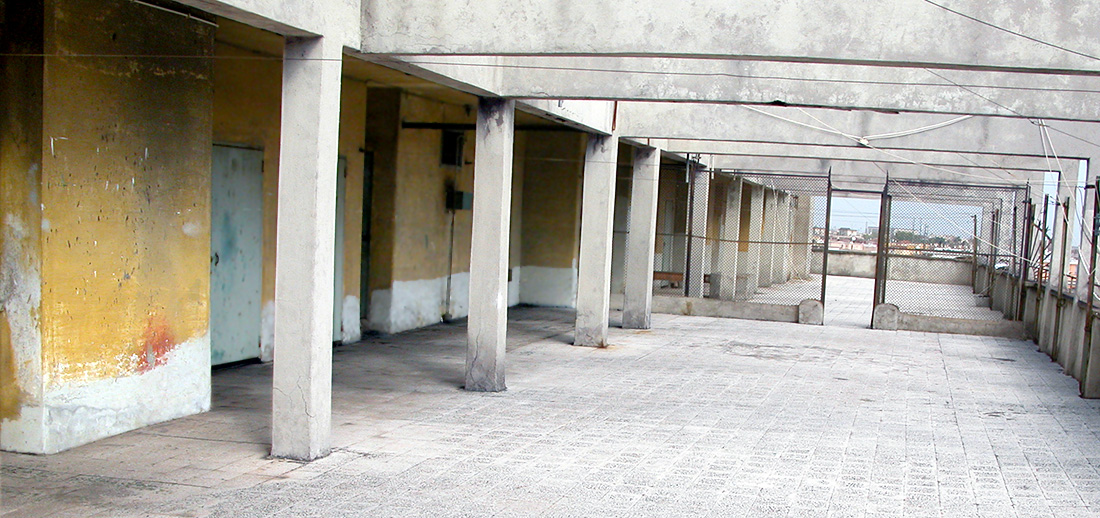
In the magnetic chaos of Naples, my gaze never follows the horizon. I always find myself searching for a vertical line. I look up as I get lost in the labyrinth of streets, chasing cornices and fragments of sky. And I look down when I am suspended on balconies and terraces, observing the breath of the city flowing beneath me. It is an exercise in perspective that reveals the most authentic soul of the buildings—their way of existing between the interior and the world outside.
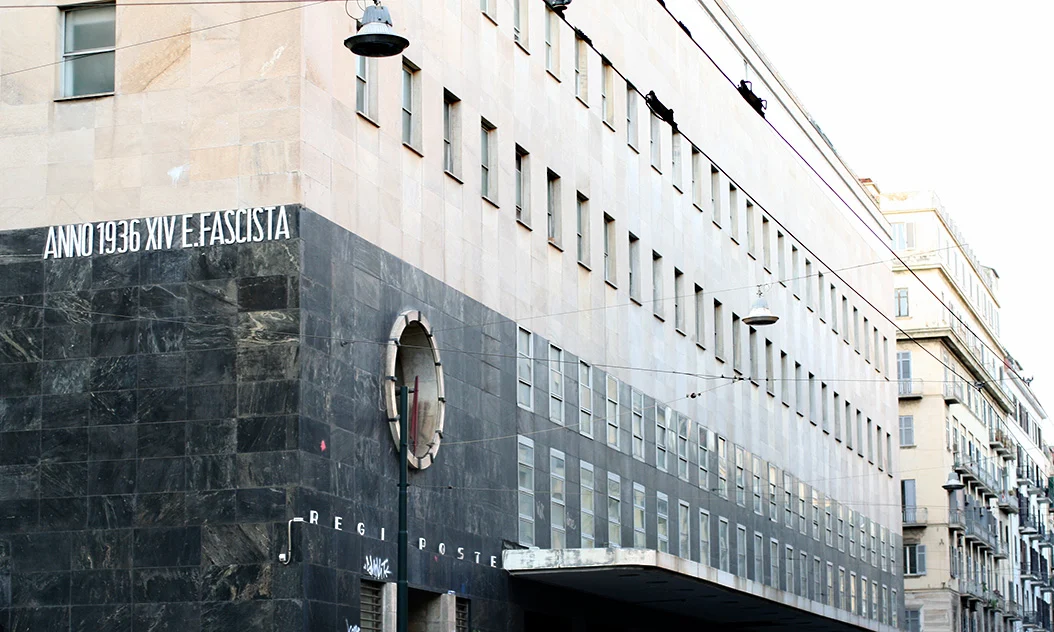
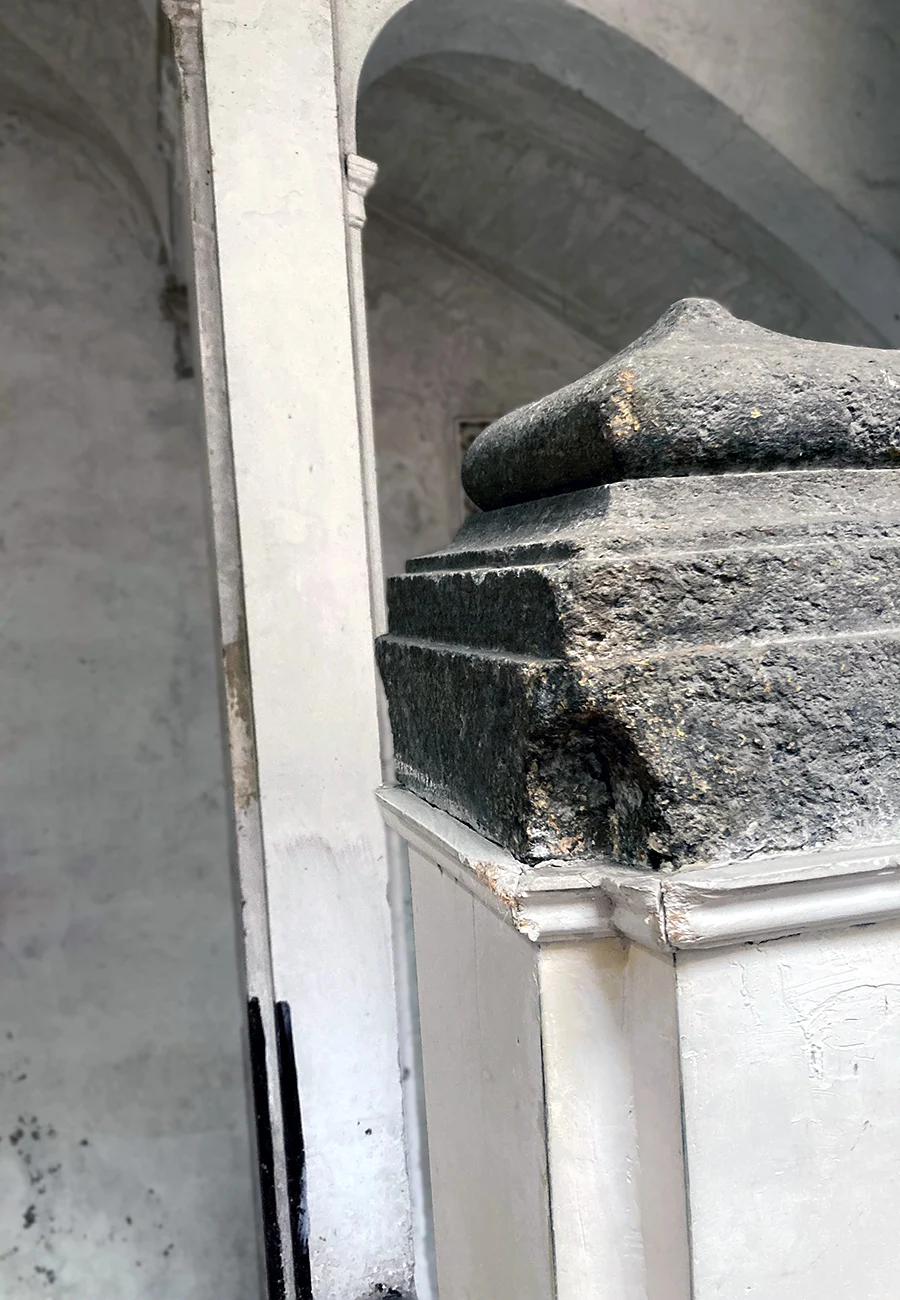
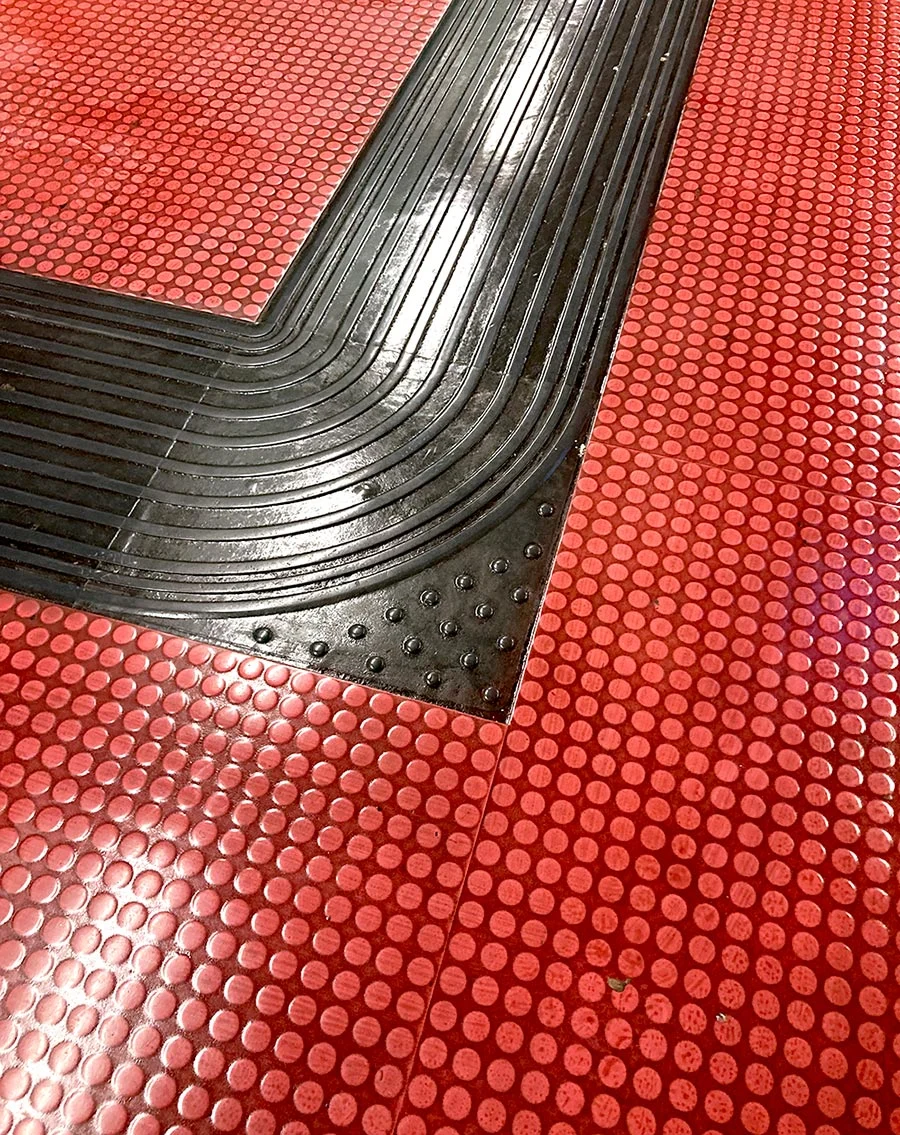
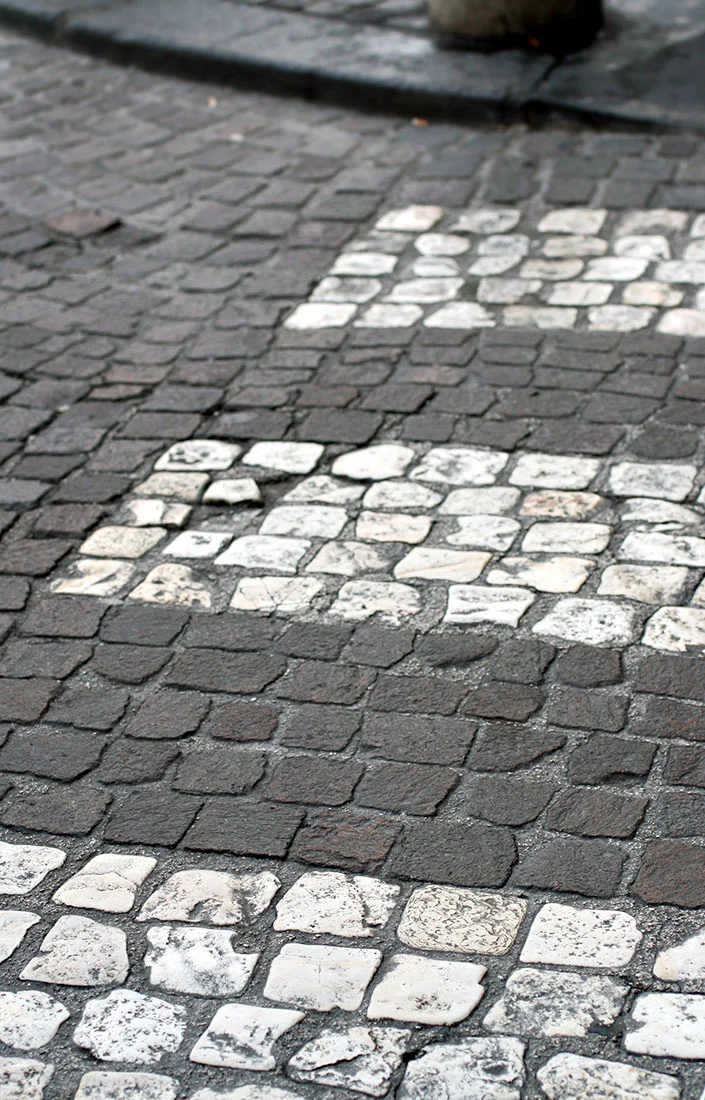
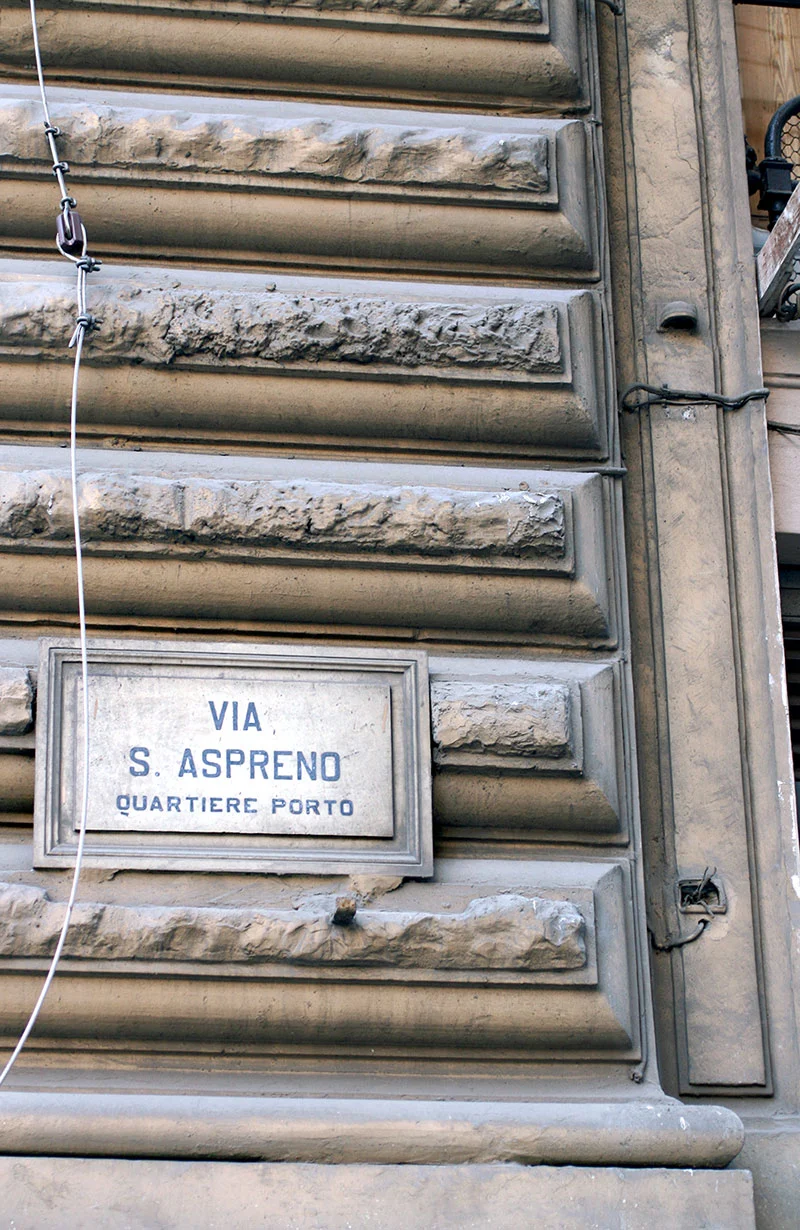
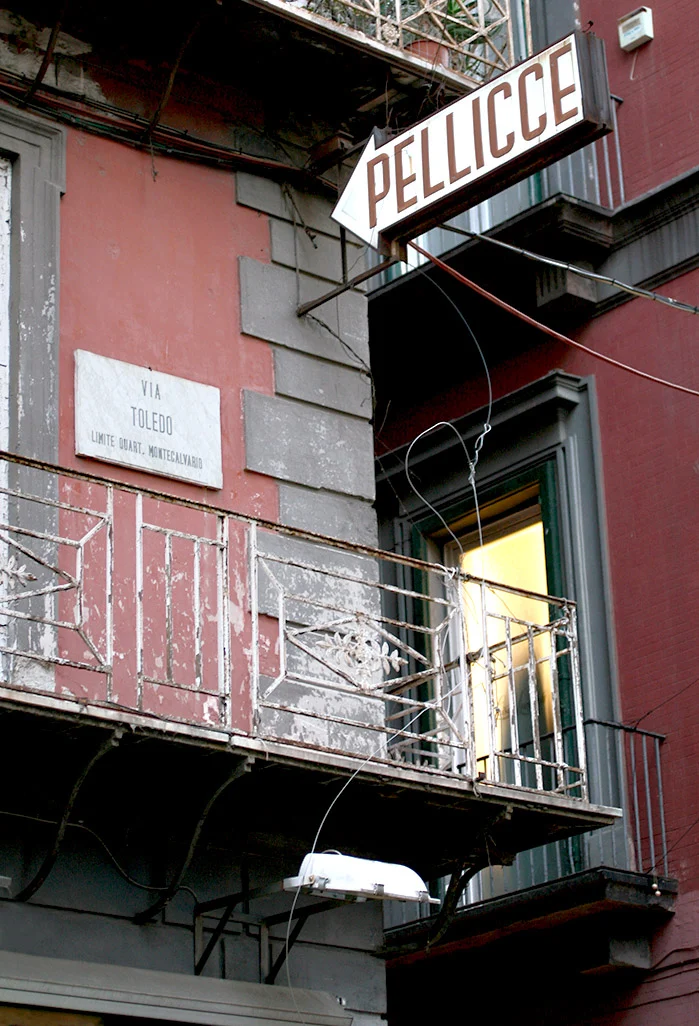
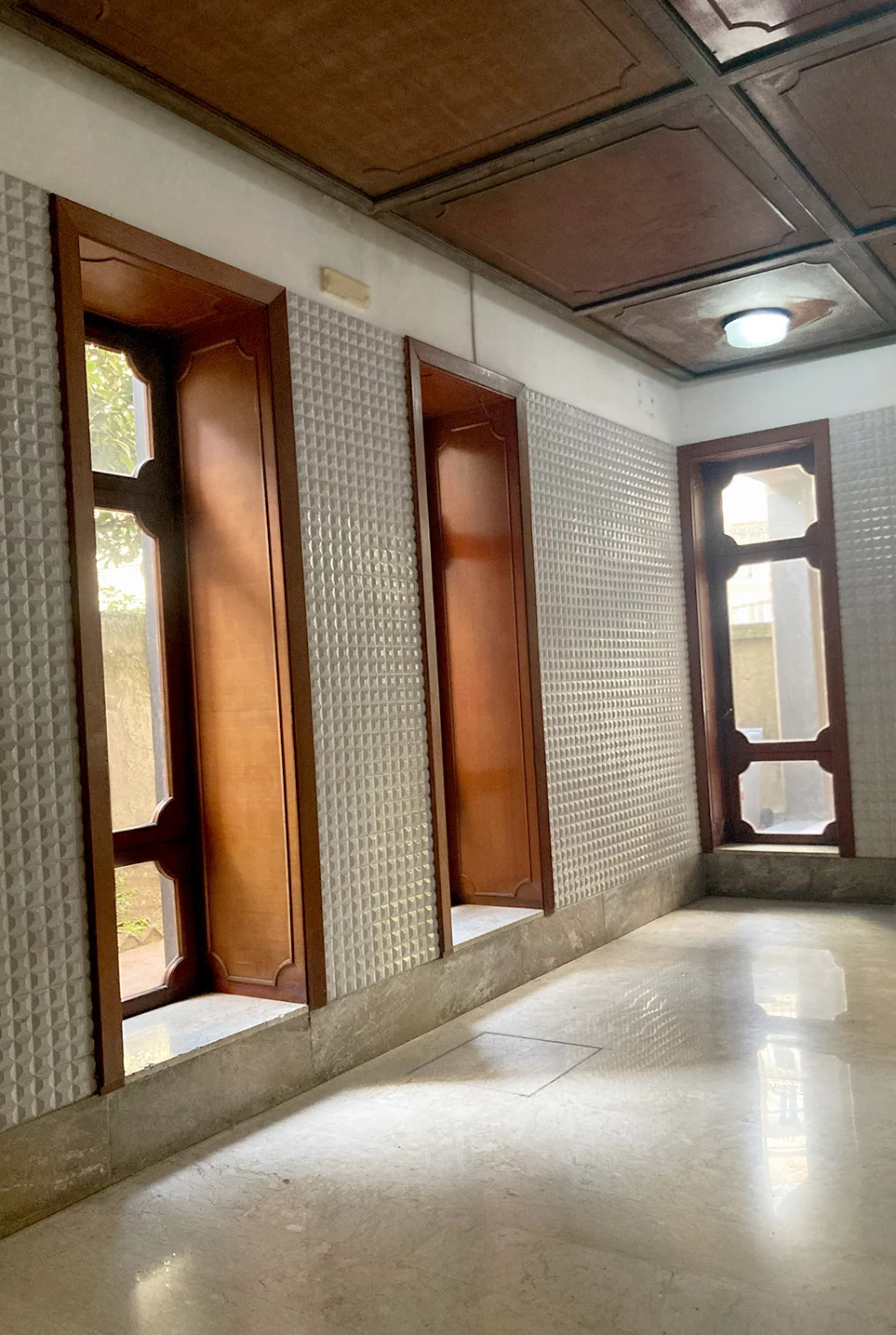
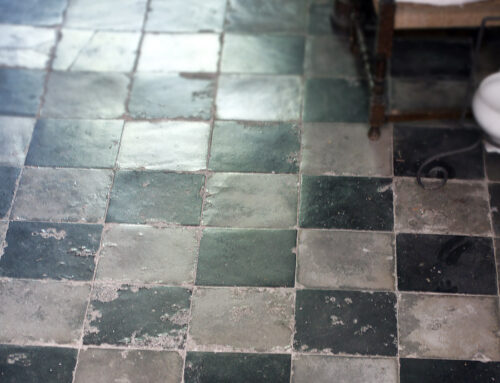
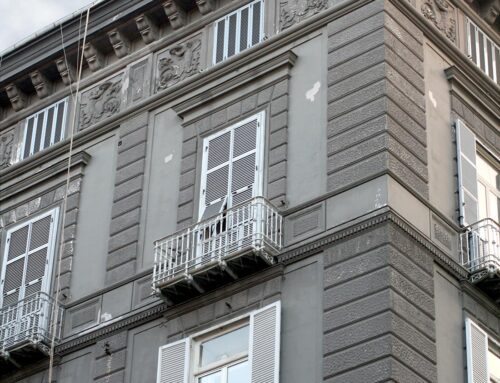
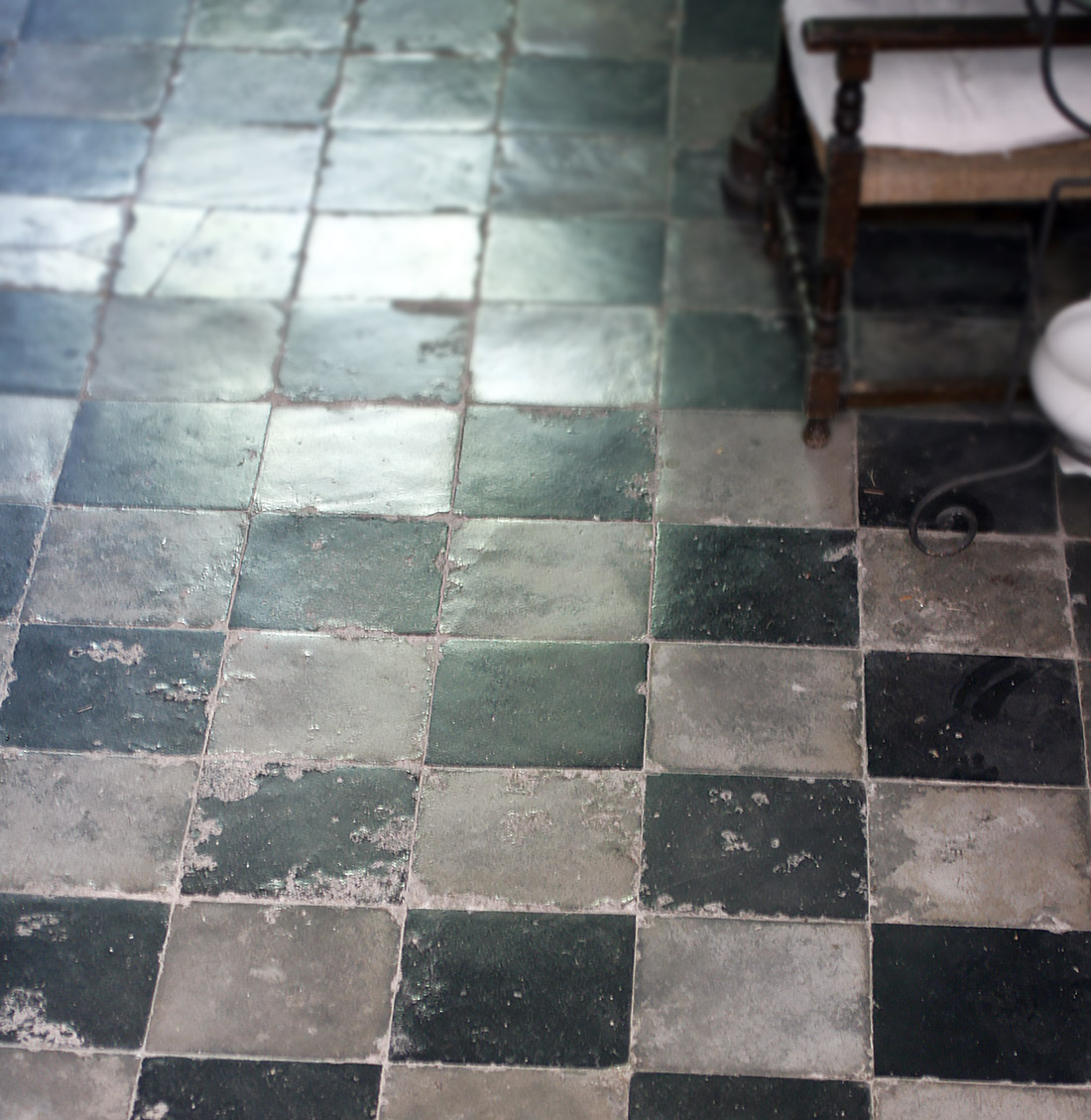
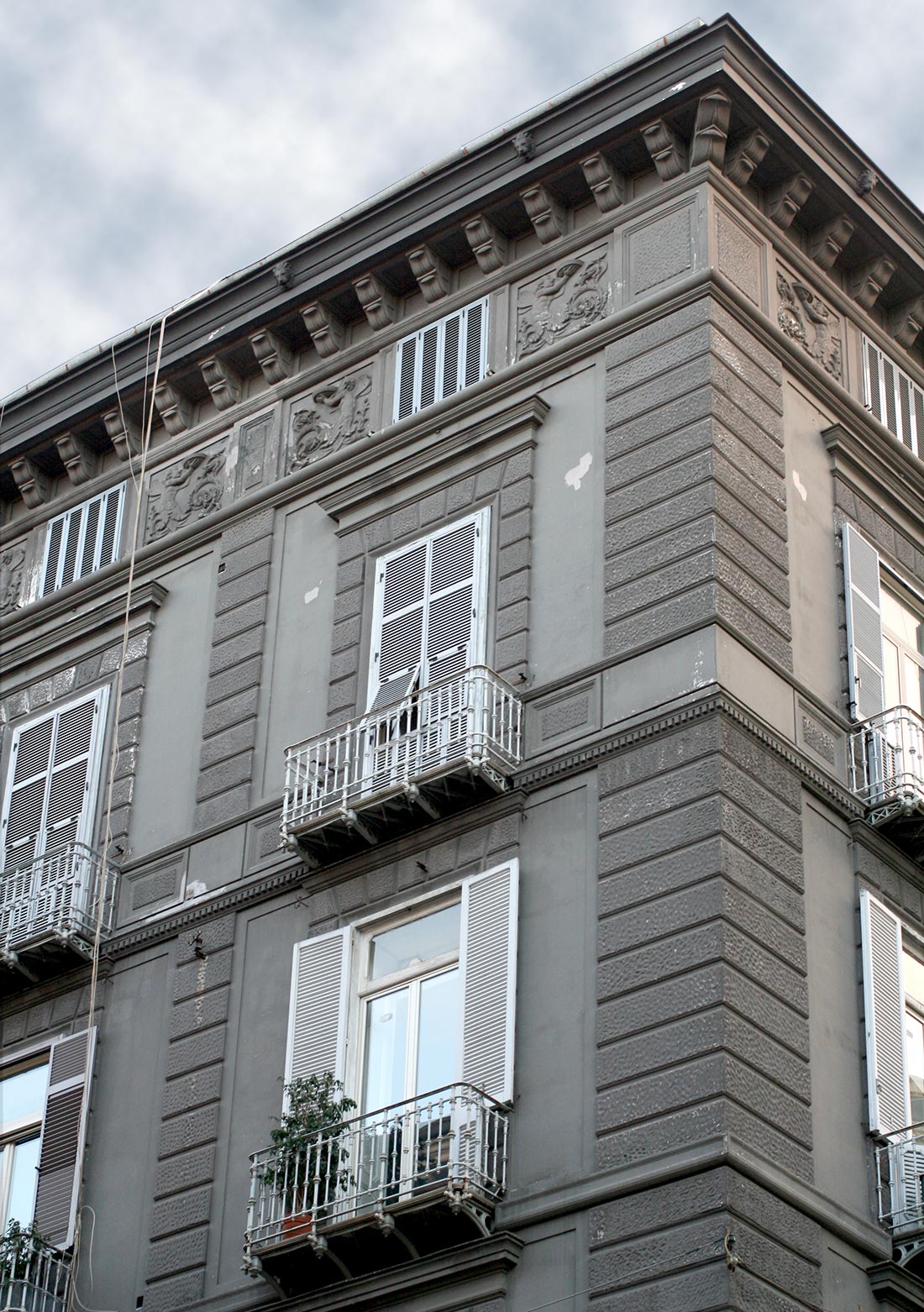
I am deeply fascinated by the geometric angles that the palaces carve against the light. They possess a heavy, dense energy, steeped in a history you can feel beneath your skin. I stop to study the materials that hold them together. Layers of plaster faded by time, dark volcanic stones, and tiles that suddenly shimmer like small treasures embedded in concrete. Through my lens, I break down images into a myriad of micro-details. The elegant shadows of the entryways, the wrought iron of balconies leaning curiously over crowded streets, and the chromatic disorder of street food that becomes, almost unintentionally, an art installation.
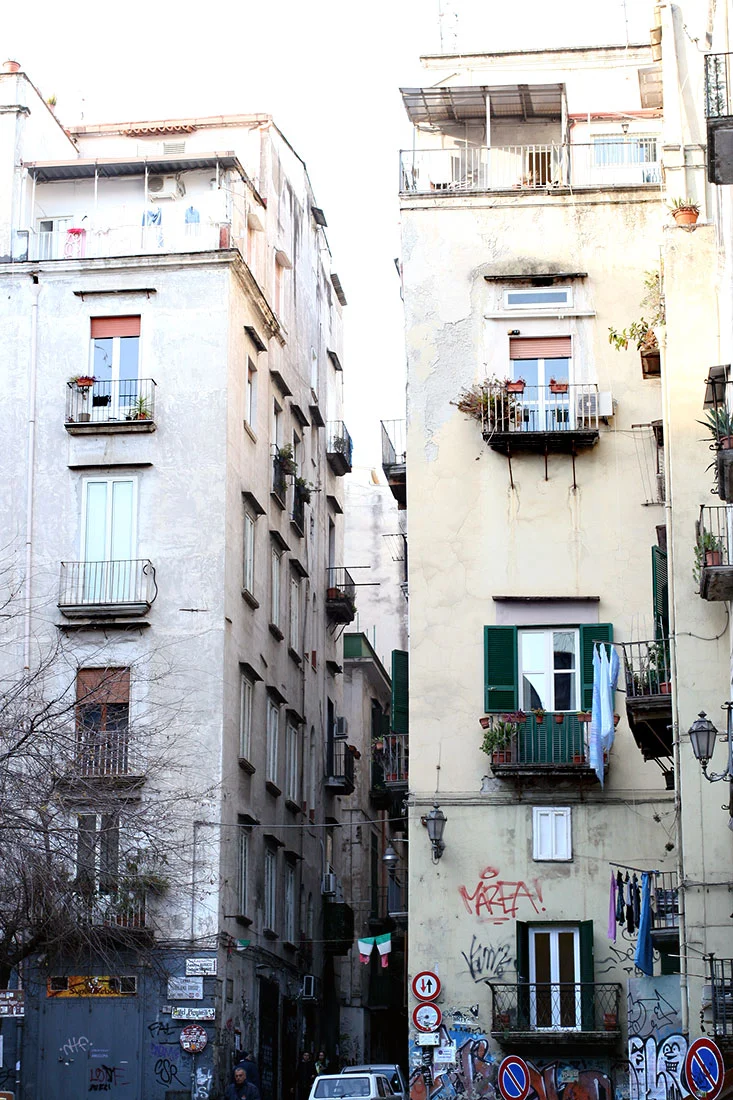
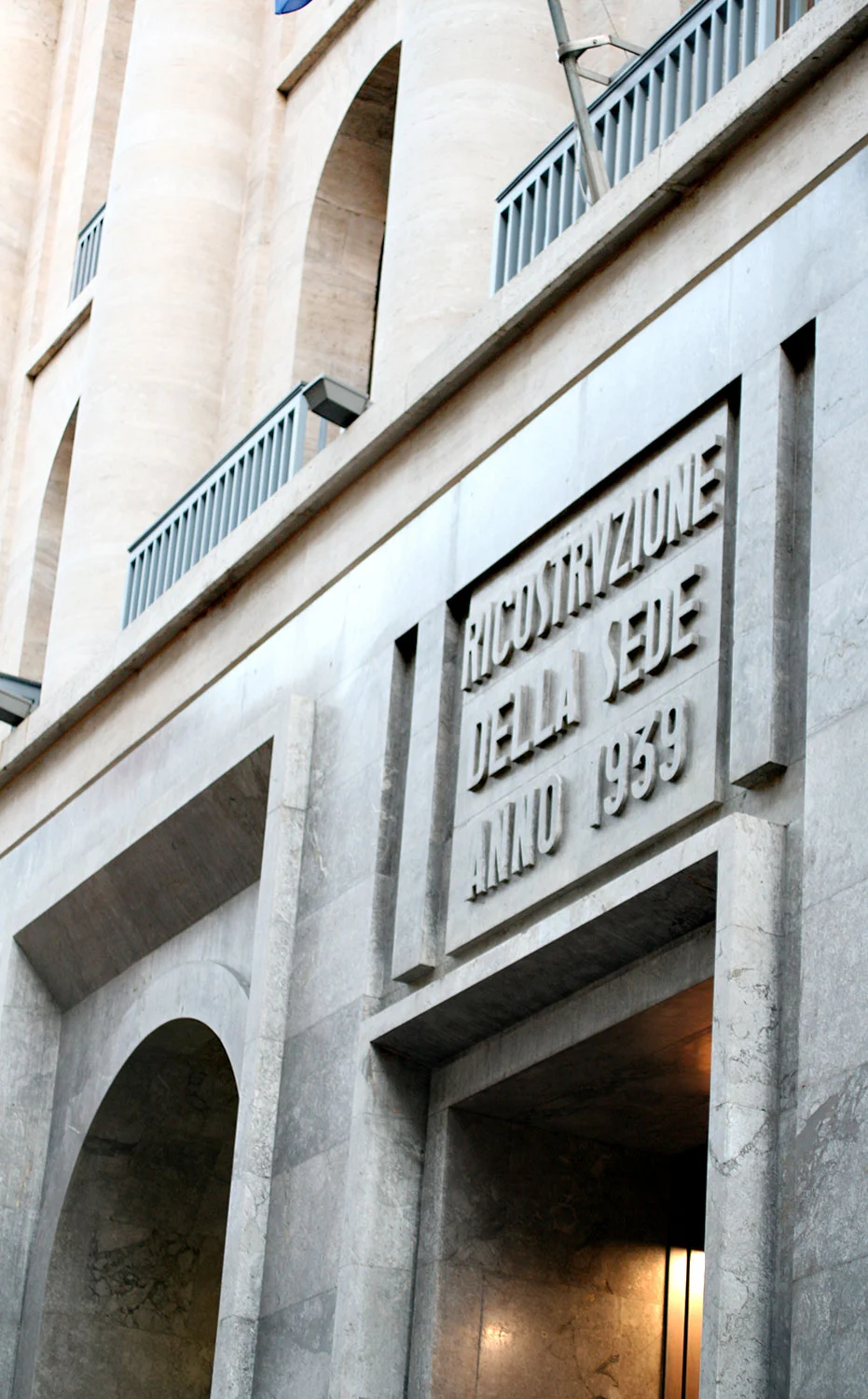
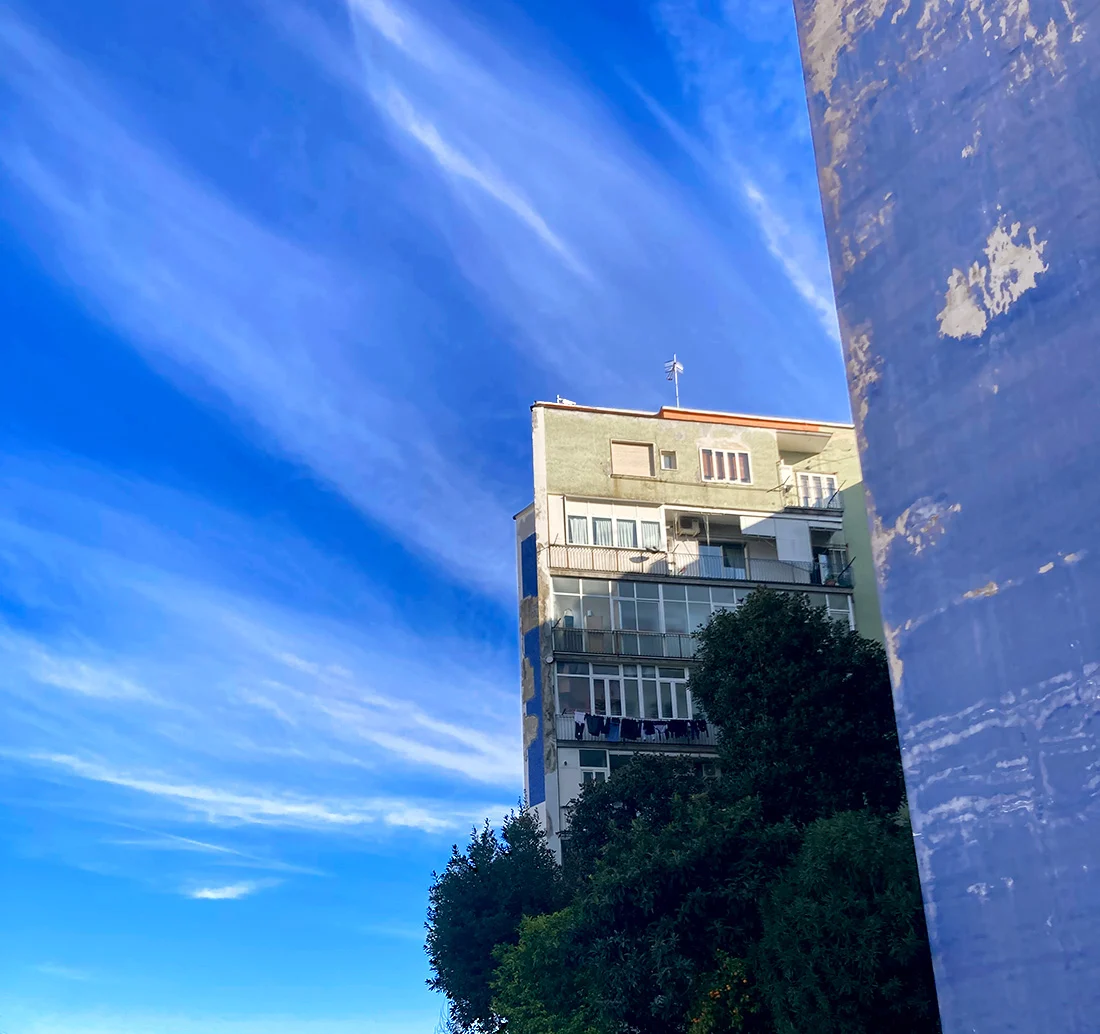
What emerges most powerfully in this March photo reportage is the ‘thermal shock’ of Neapolitan beauty. It is incredible how the aristocratic elegance of certain buildings alternates, with a total and fascinating randomness, with the resigned neglect of others. Peeling plaster lives alongside noble but chipped marbles; polished, orderly streets suddenly spill into absolute chaos.
In Naples, the “border” is an abstract concept: there is no clear divide between upscale areas and working-class neighborhoods. Everything is blended, layered, and indivisible. You only need to turn a corner or pass through a slightly narrower alley to find yourself in a parallel world—one with sounds and colors entirely different from the one you were walking through just a moment before.

Leave A Comment